Location
2001 Collins Avenue
Miami Beach, FL USA
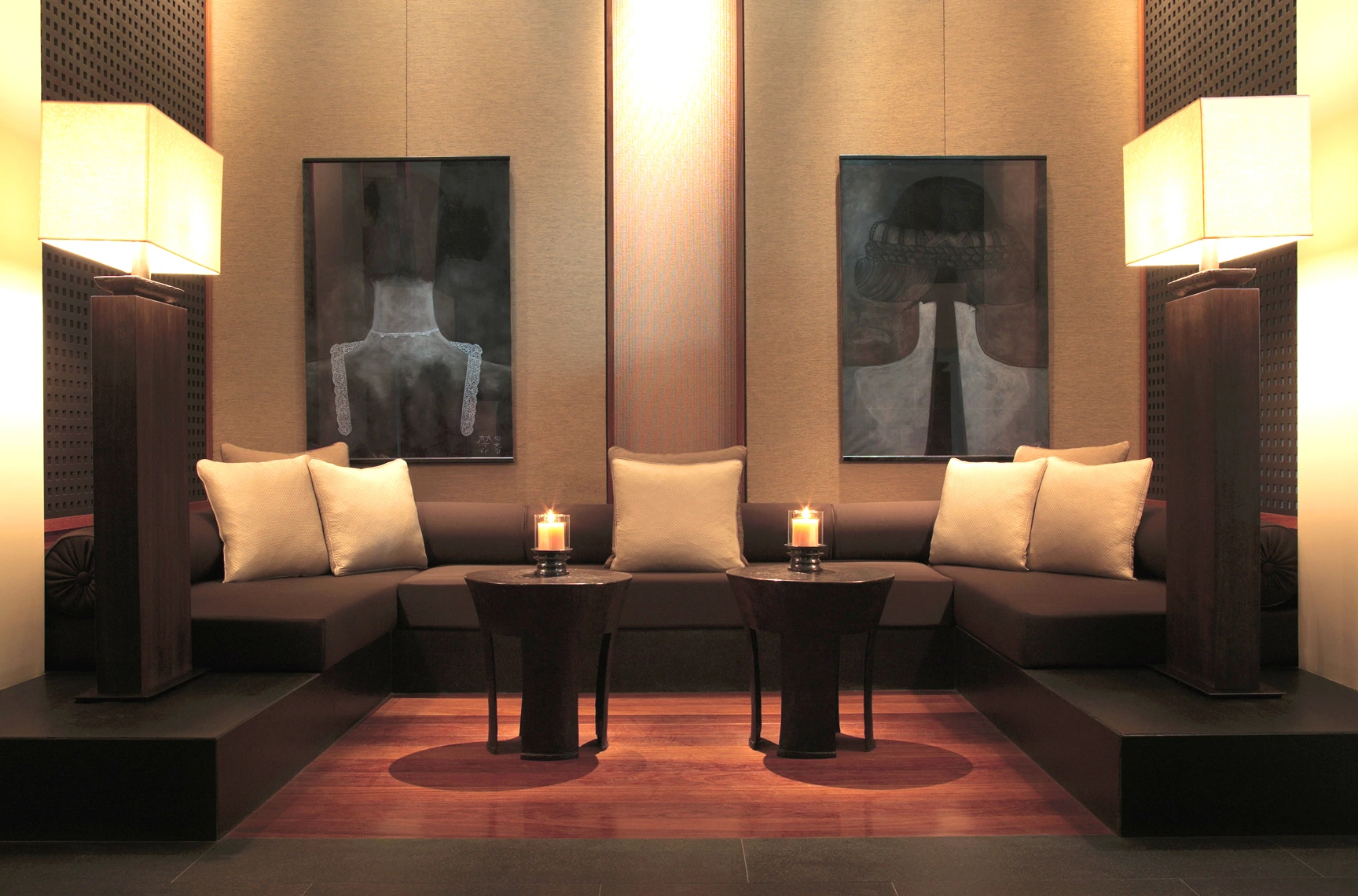
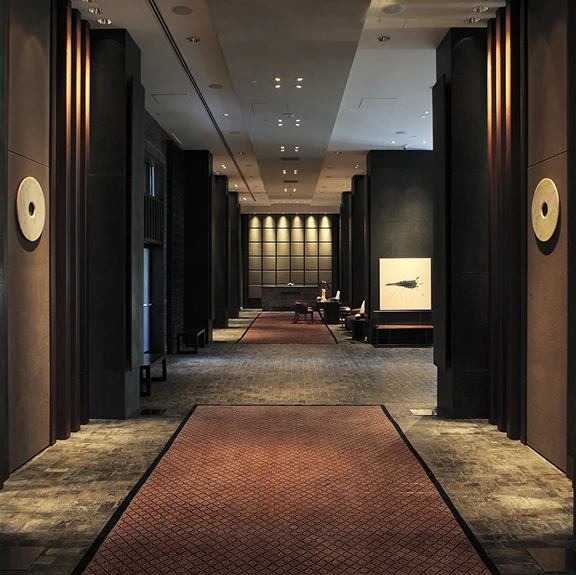
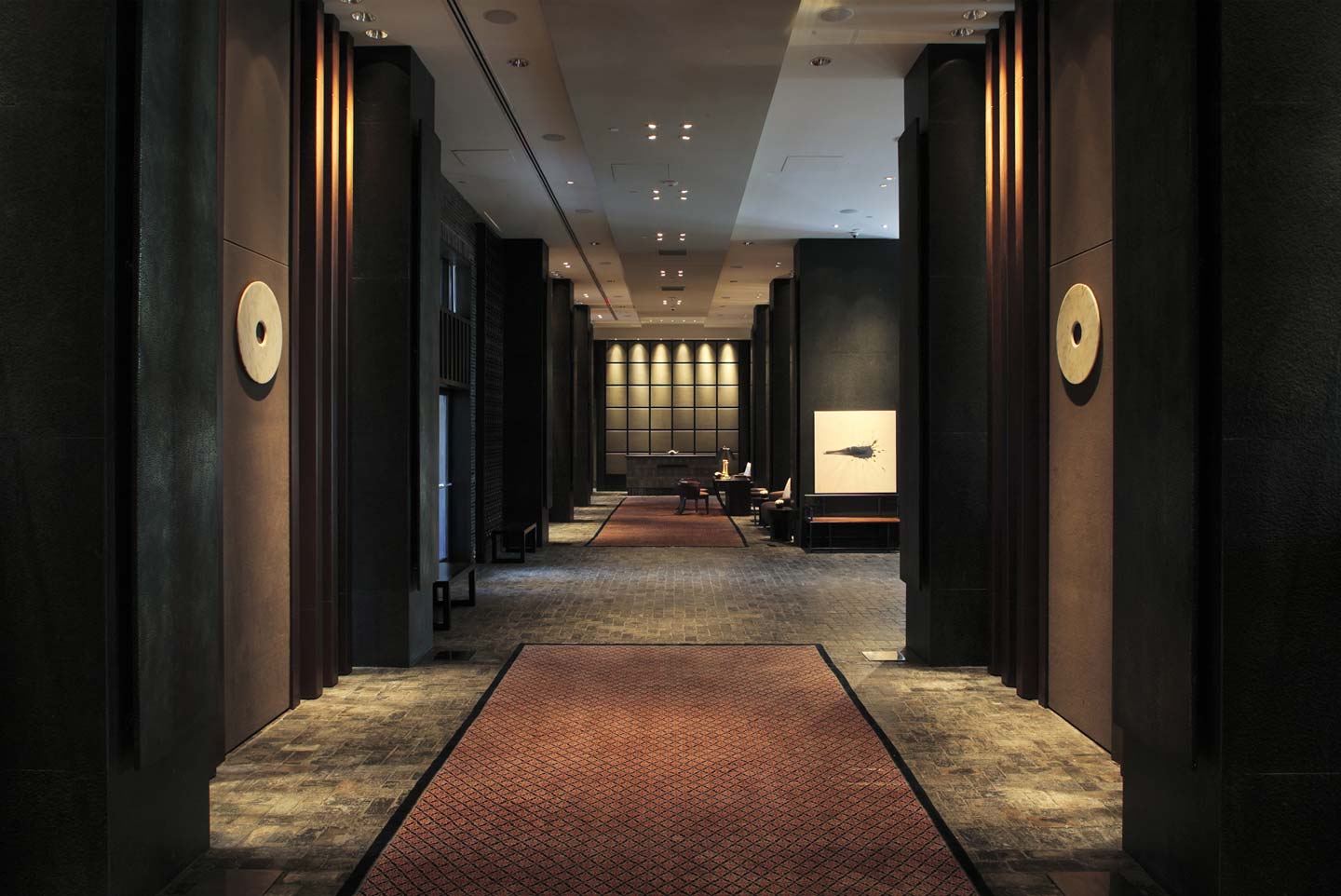
When Jonathan Breene and Adrian Zecha began work on The Setai in the early 2000s, Miami Beach had not yet emerged as a global luxury destination. Set within a collection of restored Art Deco buildings and a newly constructed oceanfront tower, The Setai combined Shanghai art deco with Miami’s art deco style, and introduced a level of design, service, and sophistication previously unseen in the market. It redefined South Beach and paved the way for Miami’s transformation into one of the world’s premier luxury destinations.
The Setai’s impact extended well beyond hospitality. Over the two decades since opening, its residences have consistently commanded some of the highest valuations in Miami Beach, achieving price-per-square-foot premiums of 75% to 315% over other ultra-luxury developments. The name “Setai” is a combination of the Indonesian words for “South” and “Beach”–a fitting name for a project that helped change the identity of the city into an ultra-luxury destination.
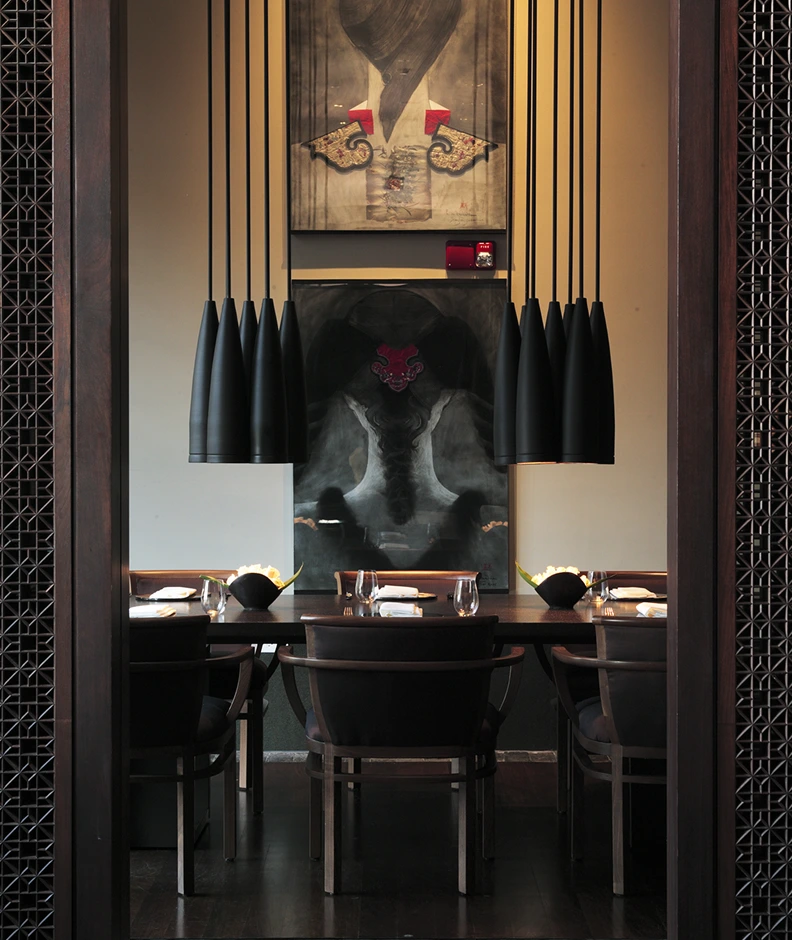
The Setai Residences became one of the most successful luxury residential offerings in Miami’s history. Over time, residences have commanded premiums ranging from 75% to more than 300% on a price-per-square-foot basis compared to other ultra-luxury developments, underscoring the enduring value of exceptional design, service, and brand.
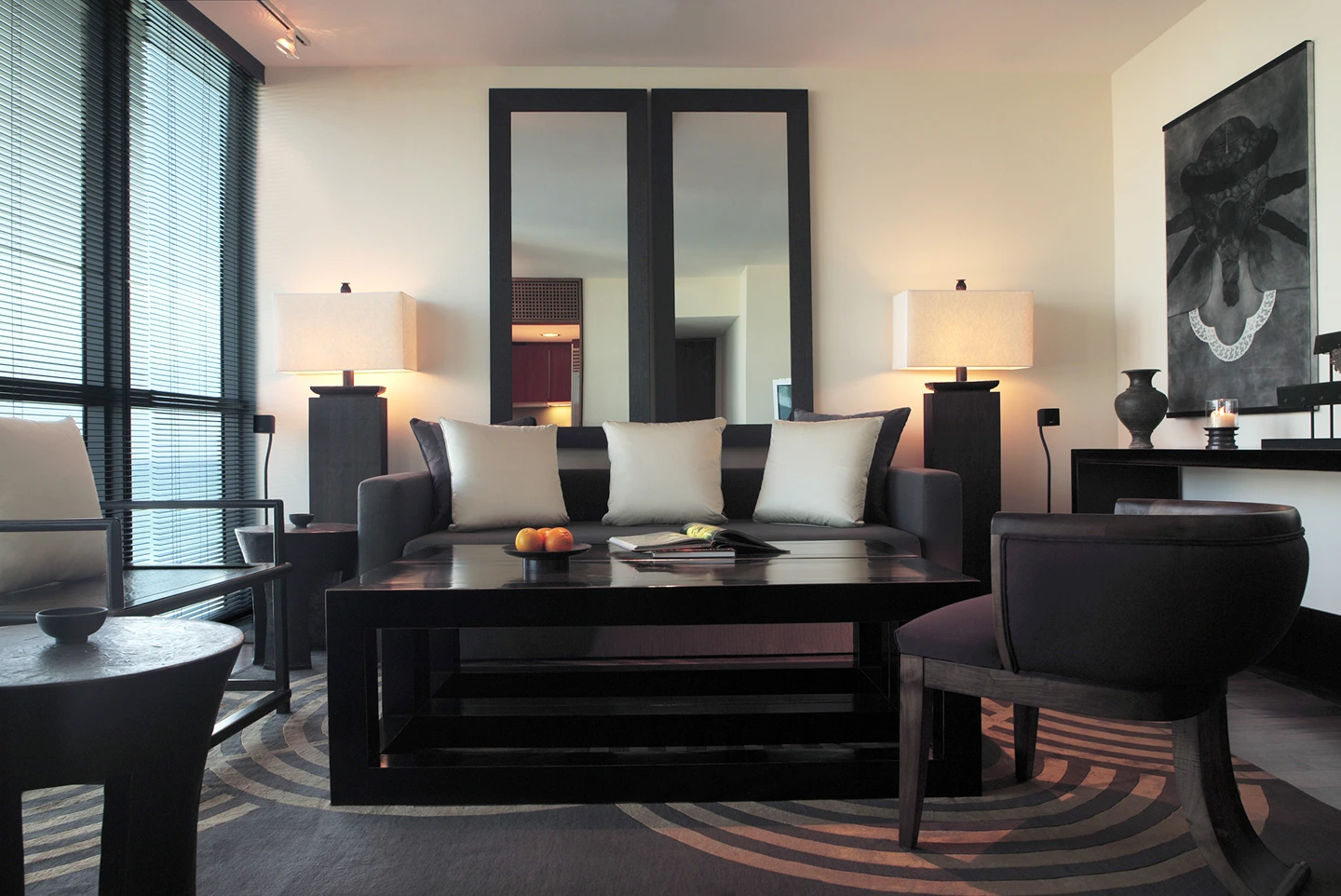
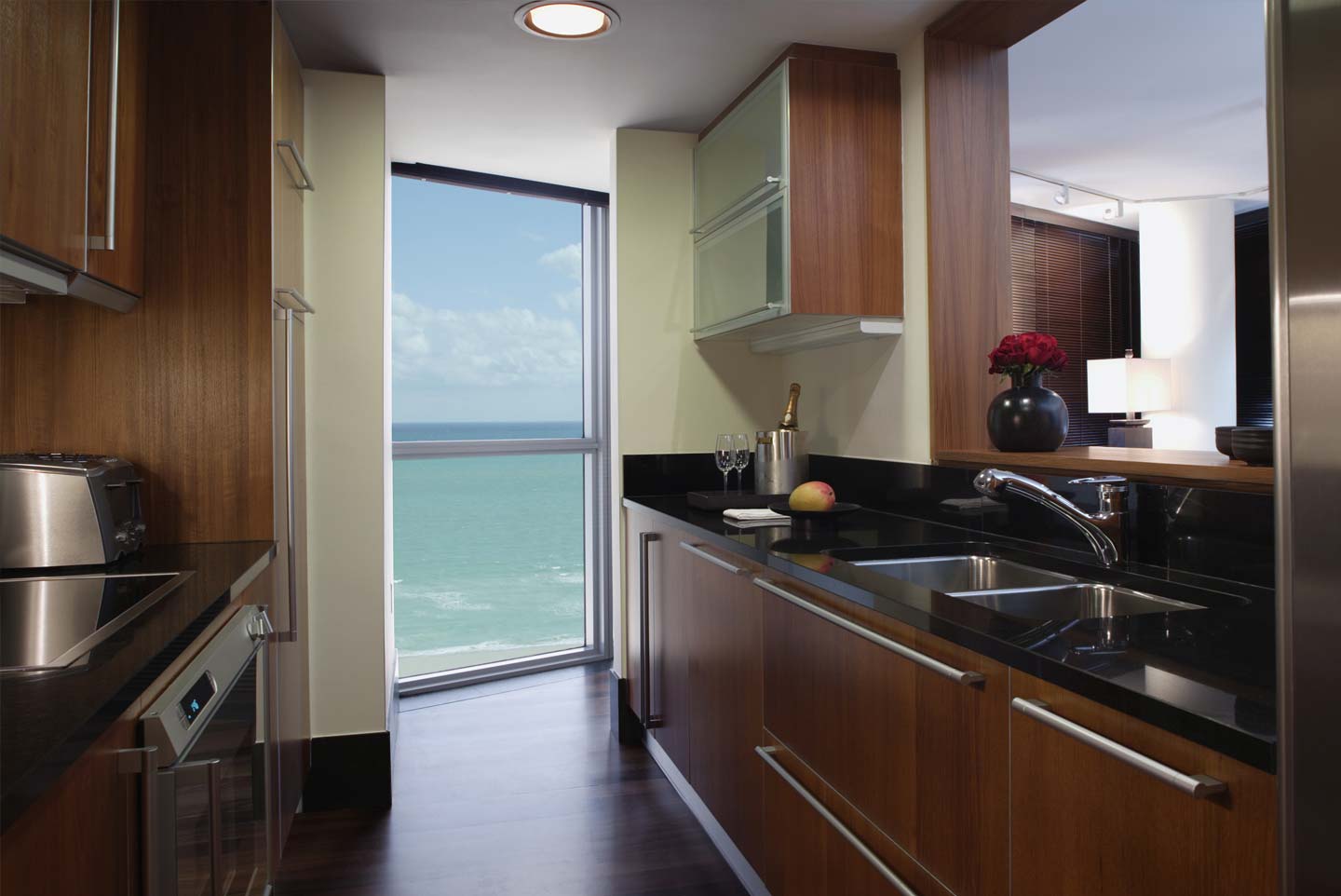
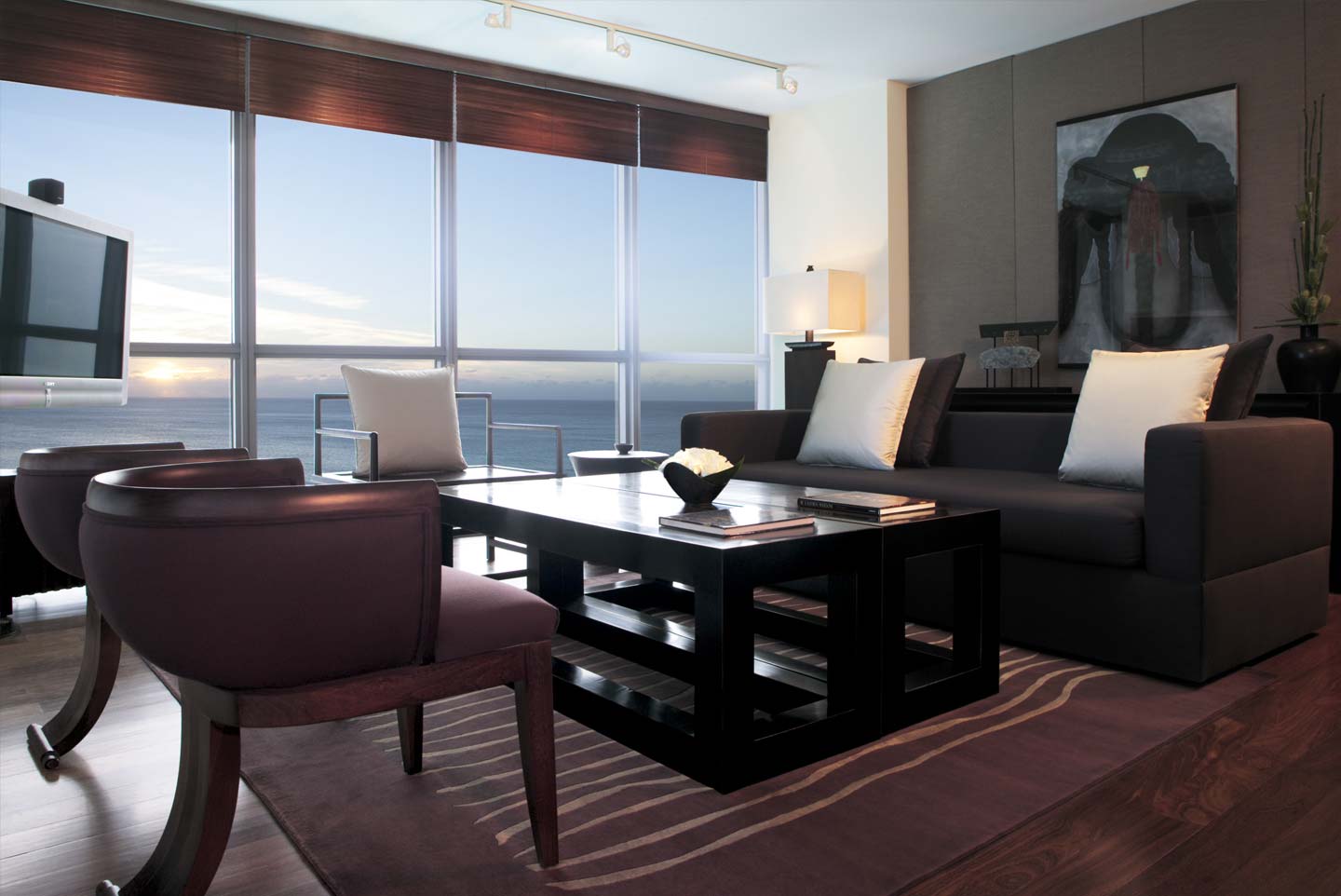
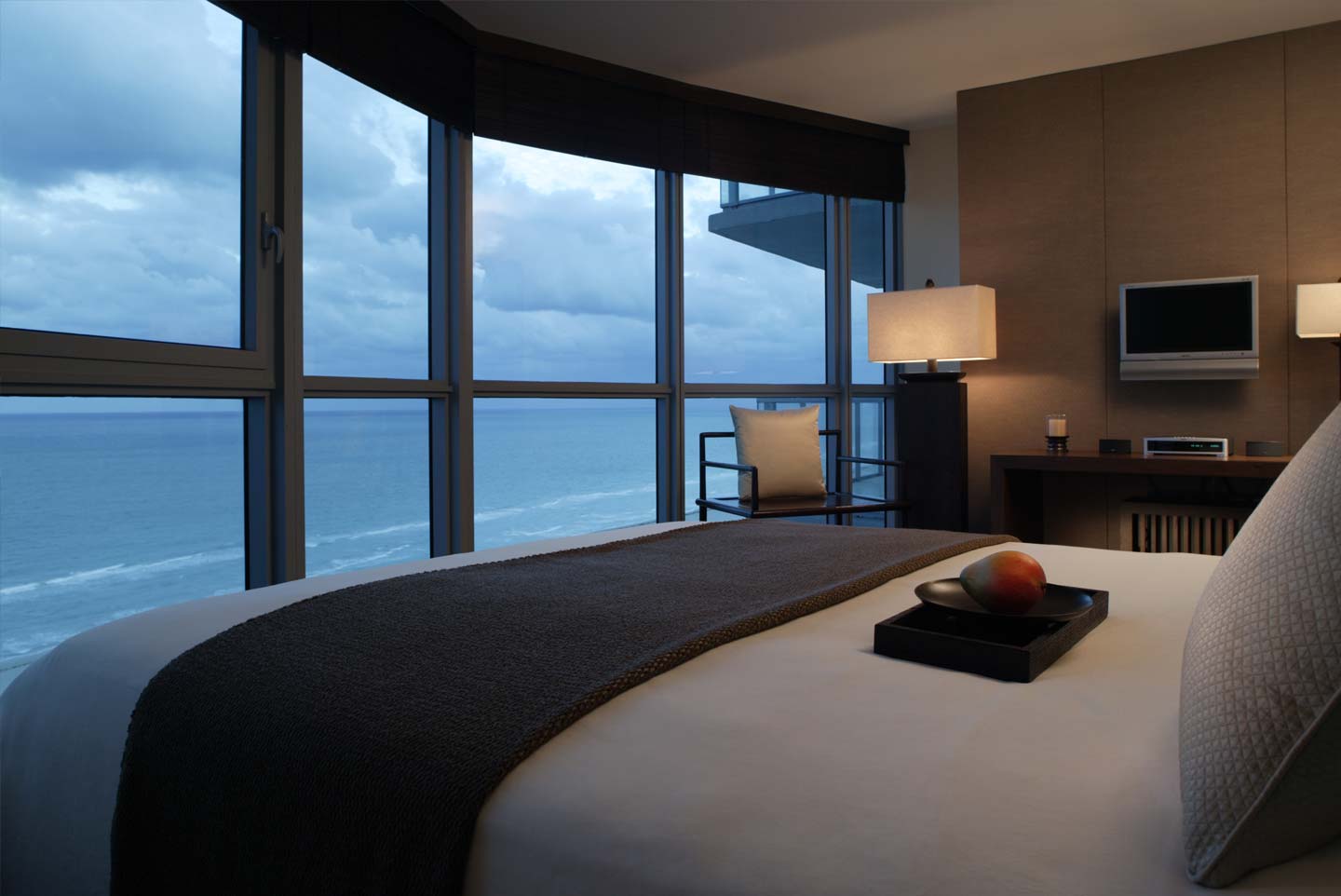
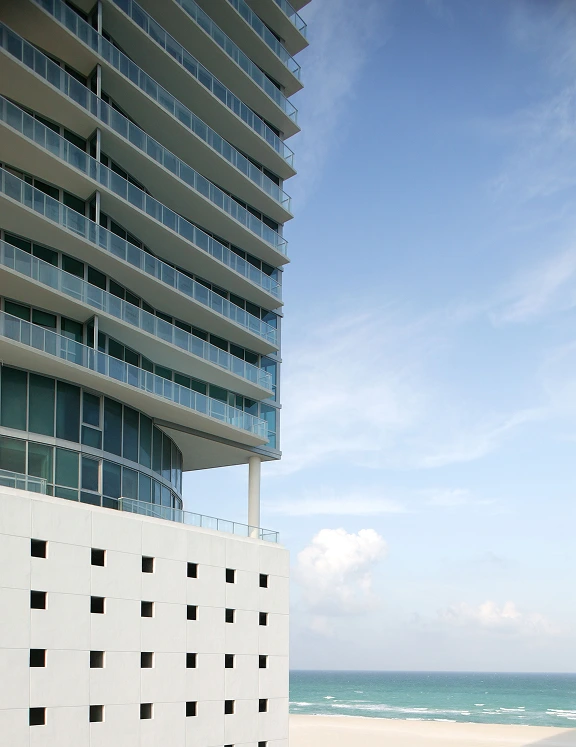
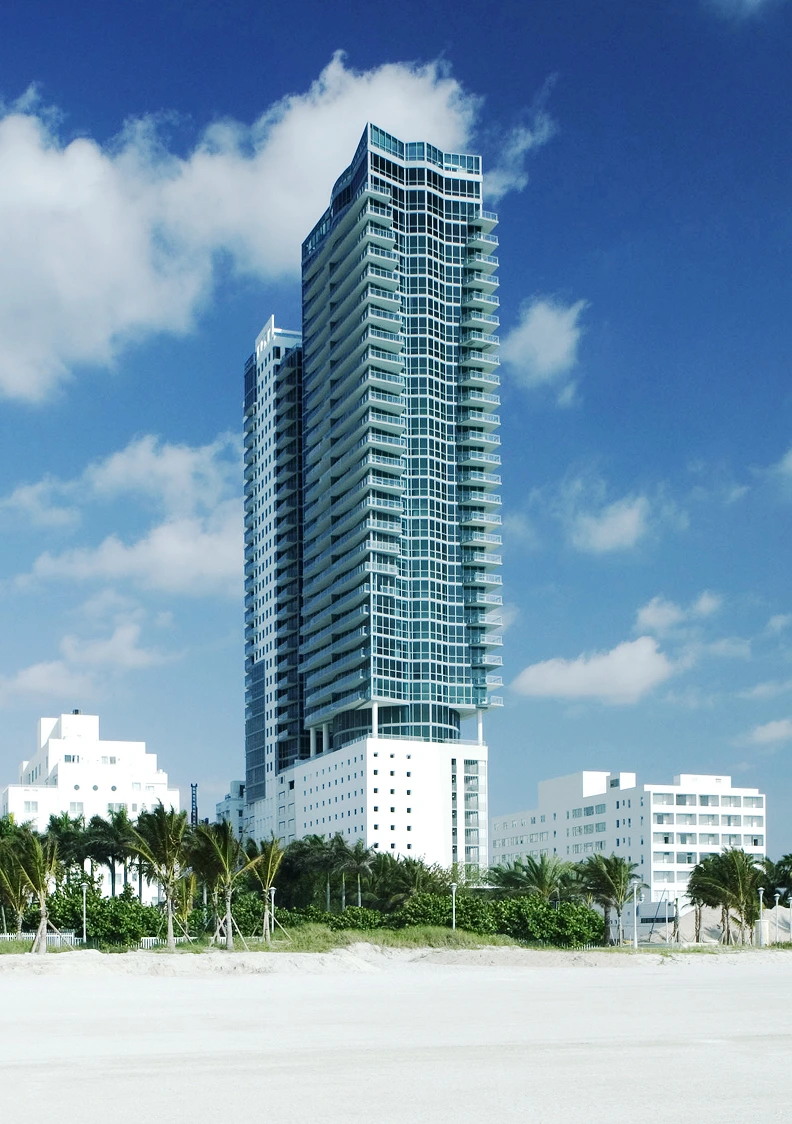
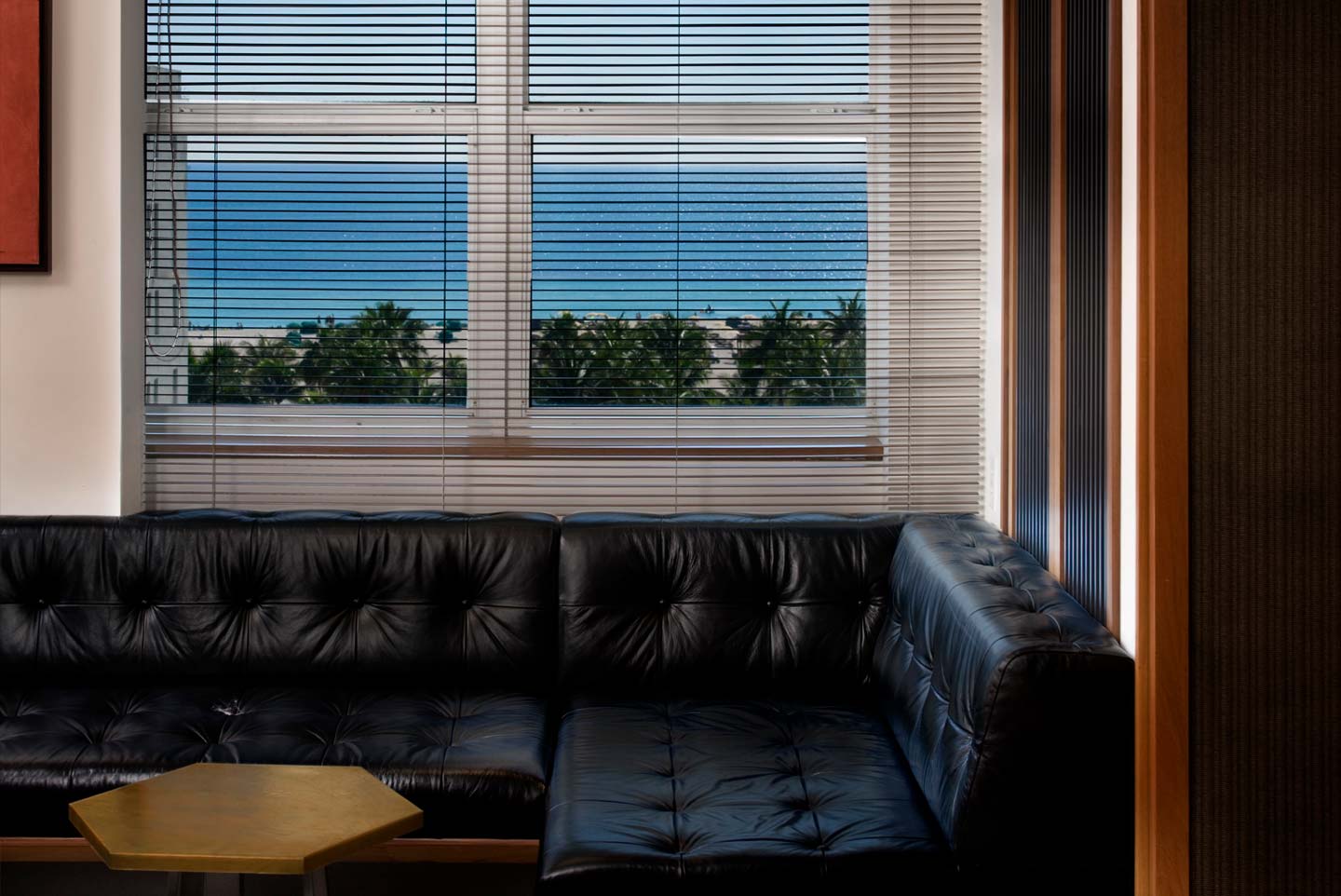
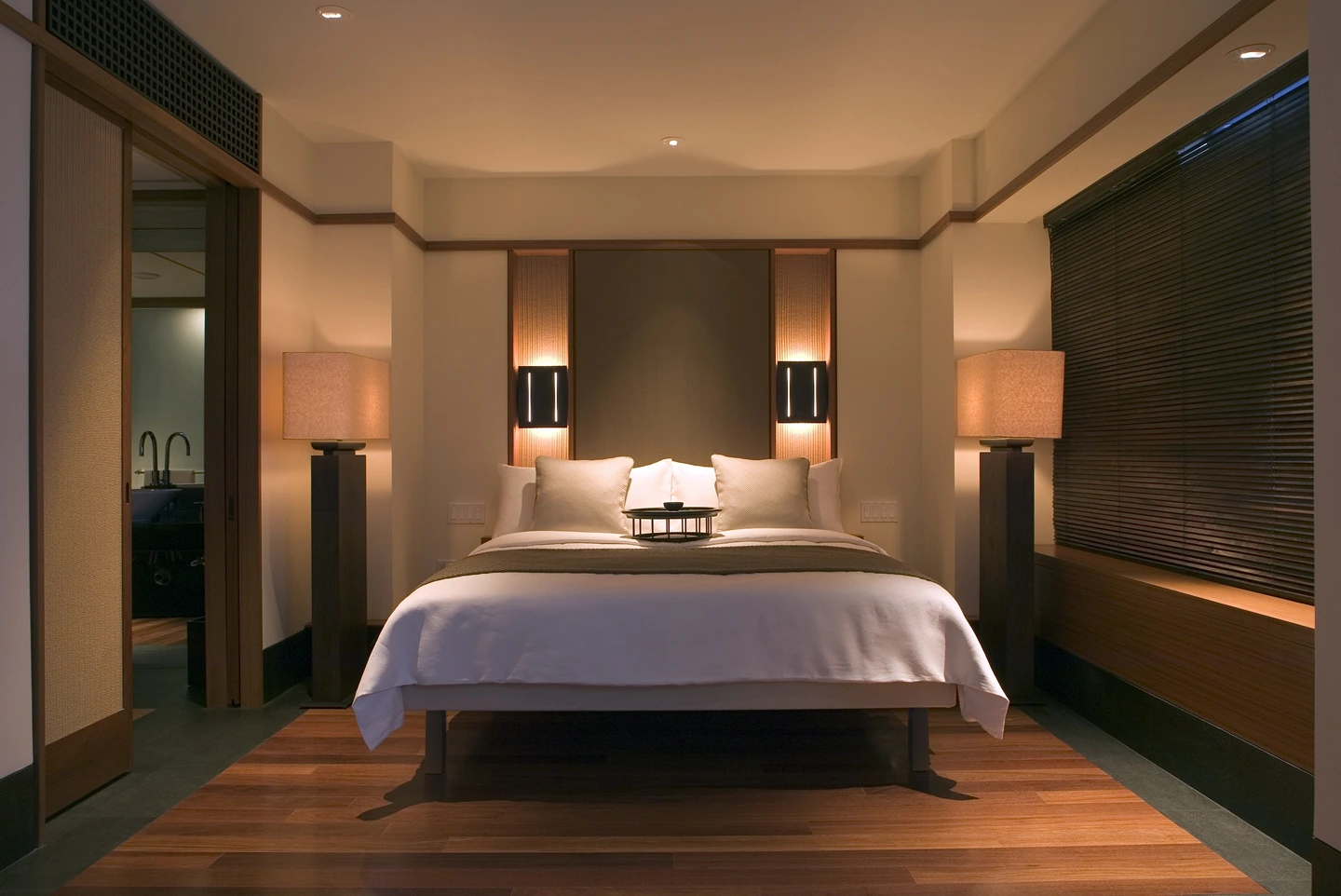
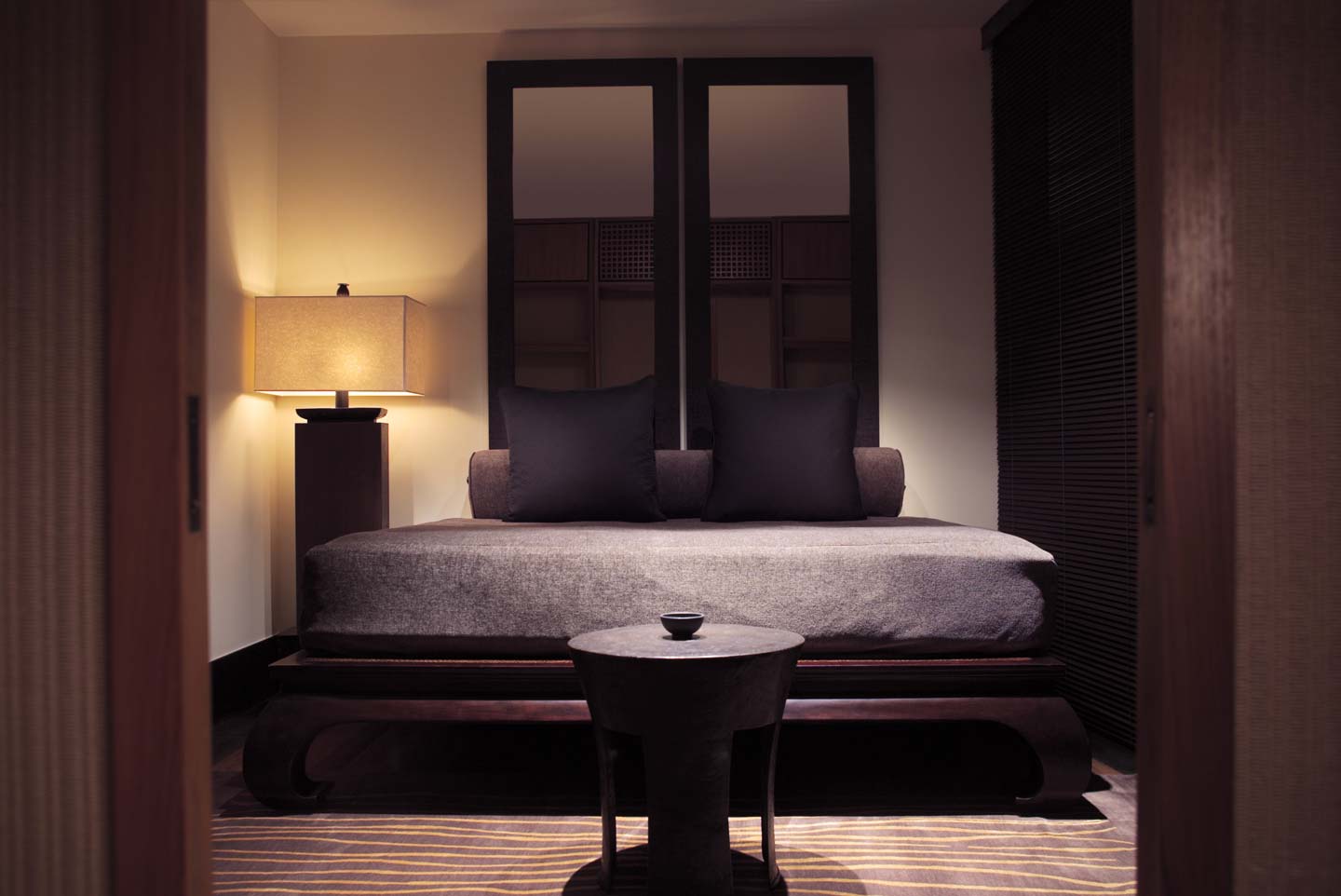
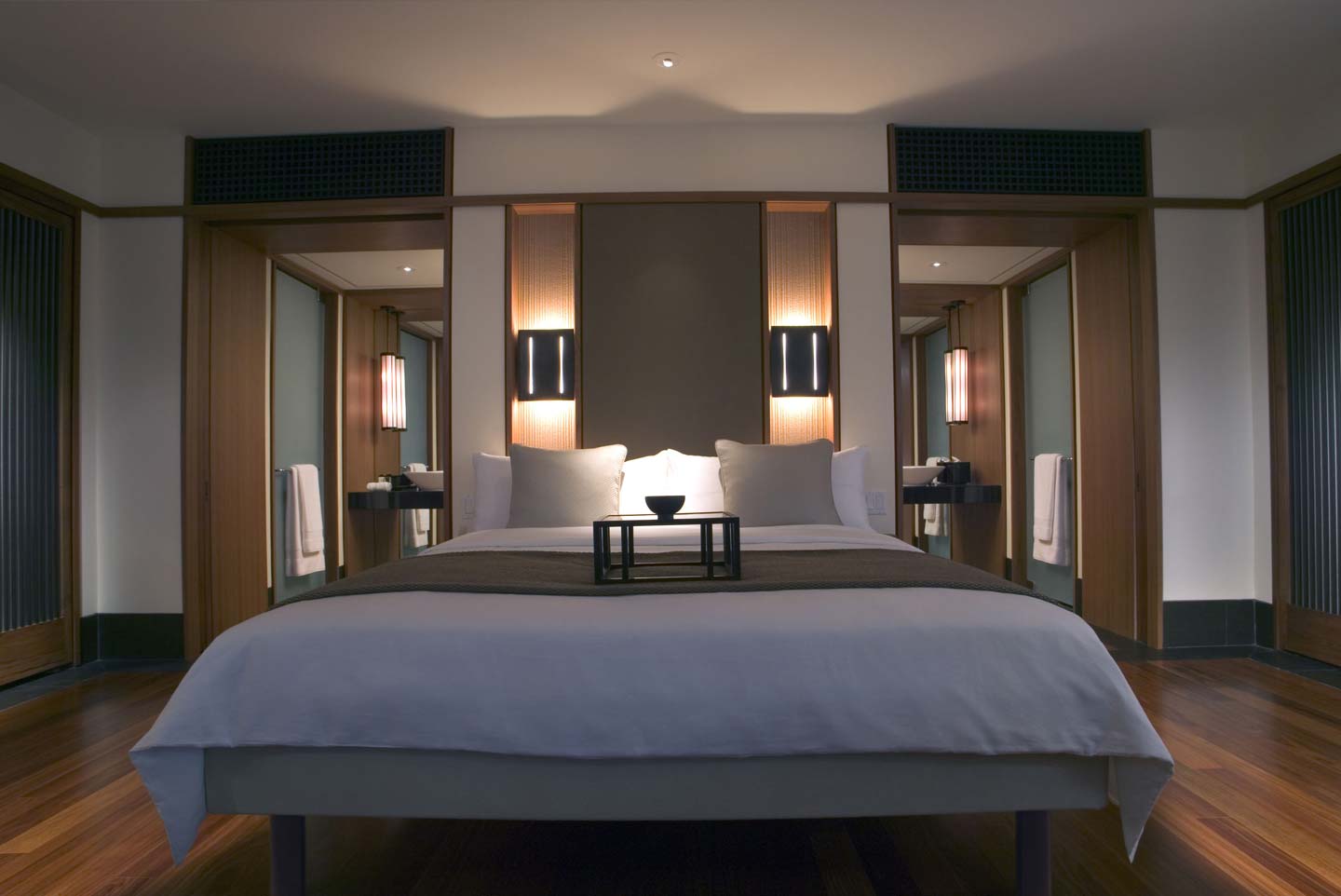
The Setai’s accommodations set a new benchmark for luxury in Miami, combining generous proportions, timeless design, and a residential sense of comfort rarely found in the market at the time.
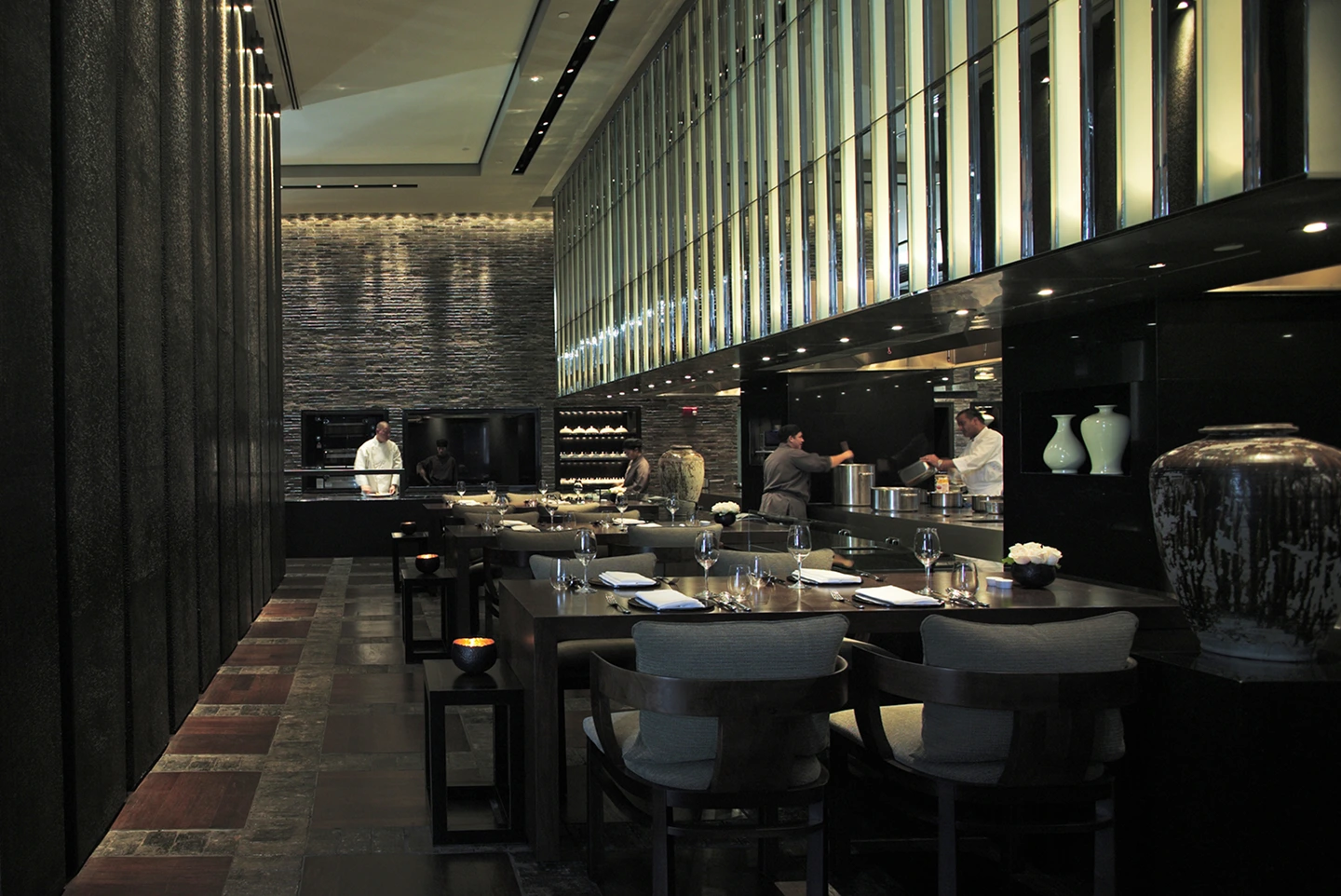
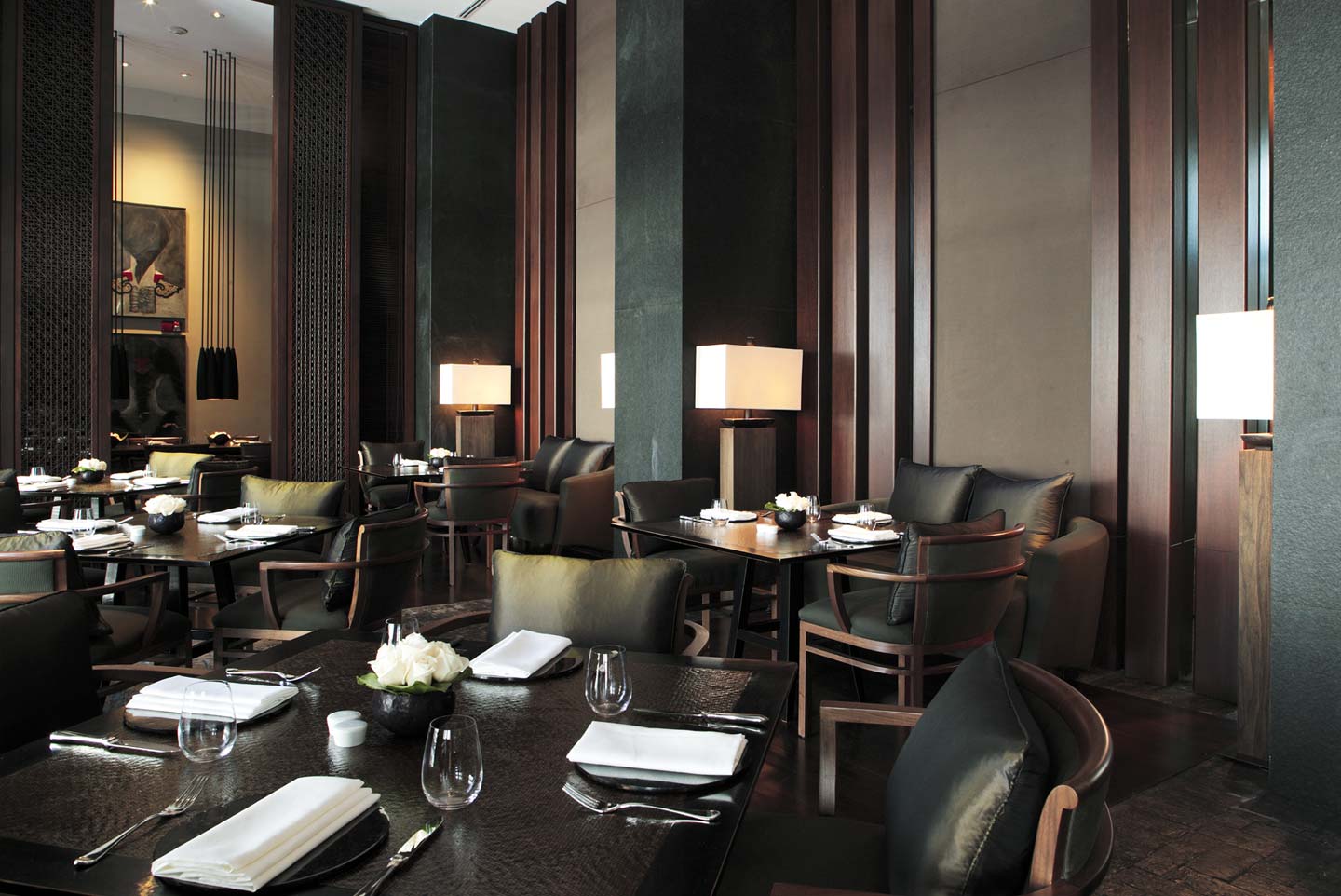
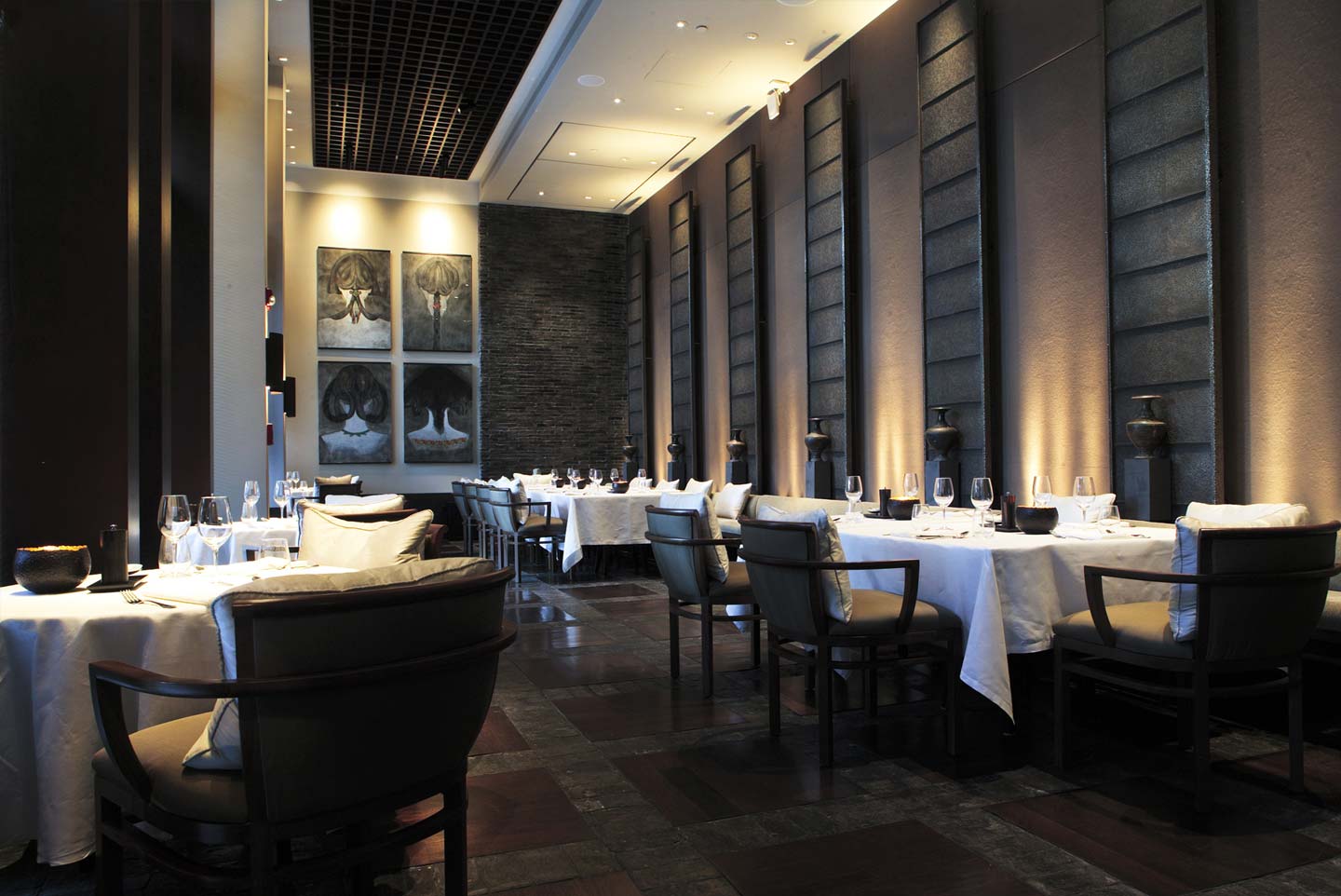
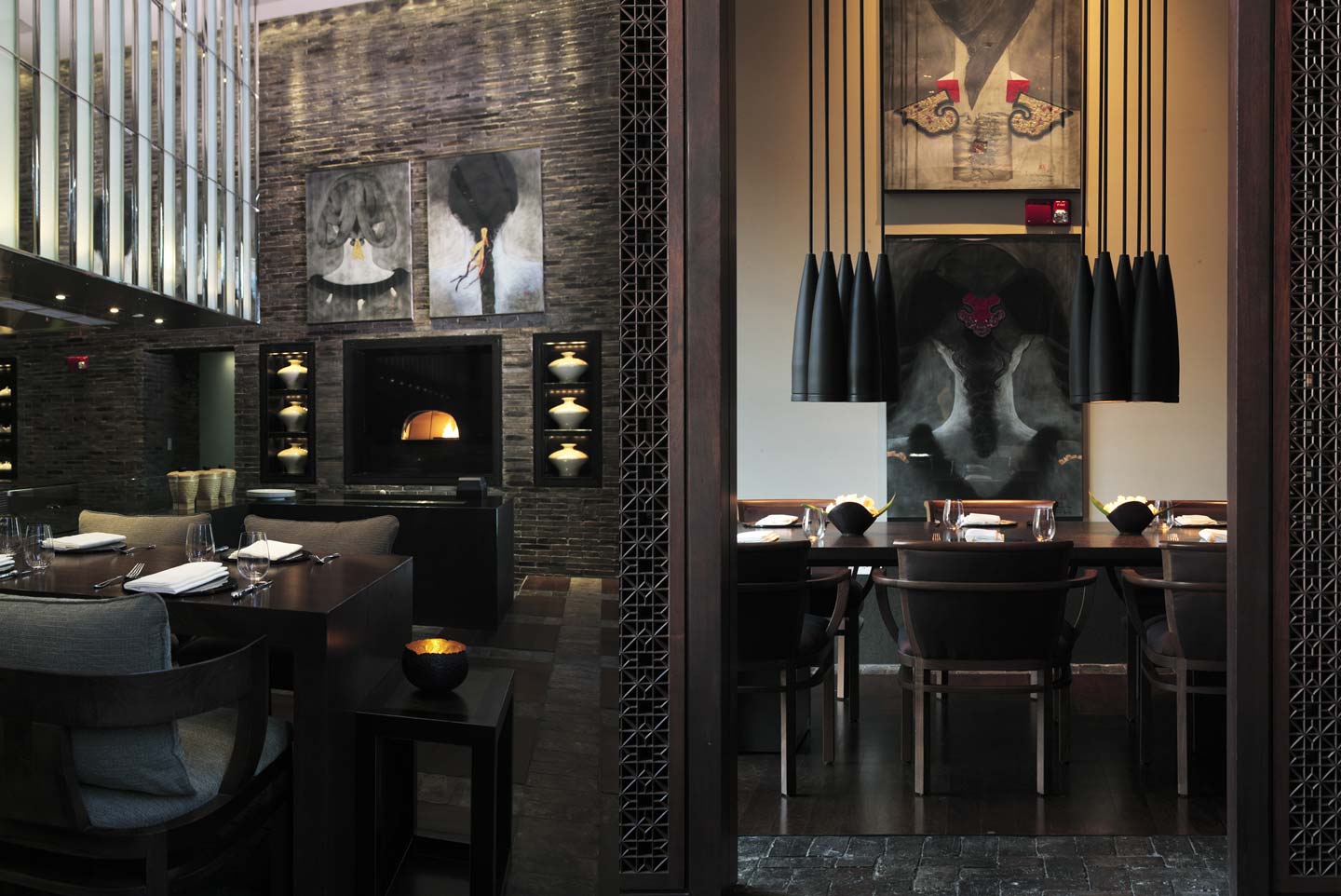
Dining at The Setai reflected the same commitment to excellence found throughout the property. Under Michelin-starred chef Shaun Hergatt, the restaurant earned a reputation as one of Miami’s premier dining destinations, helping elevate the city’s emerging luxury culinary scene.
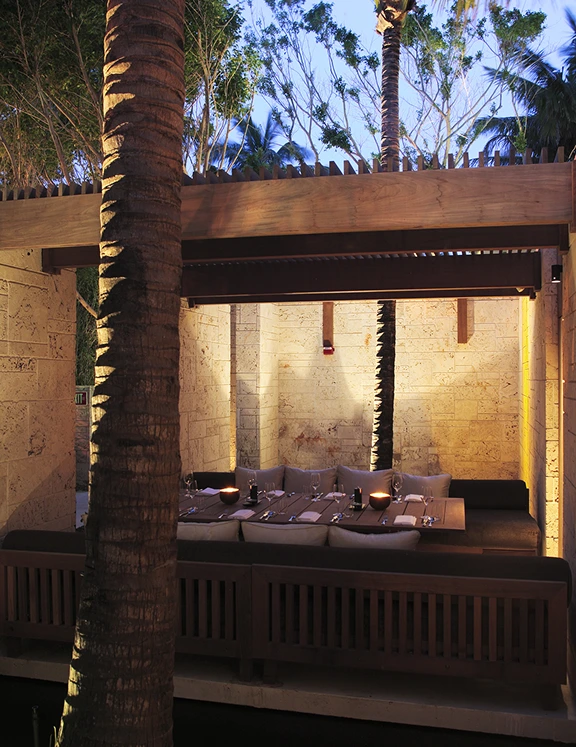
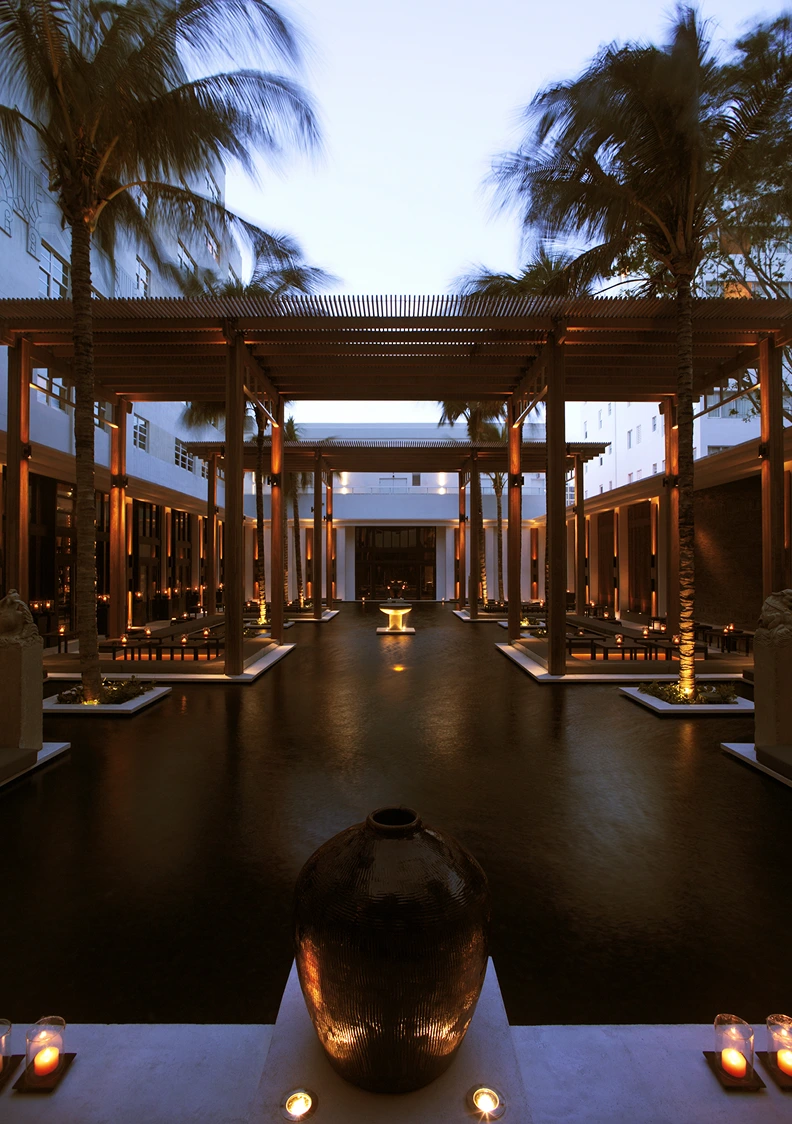
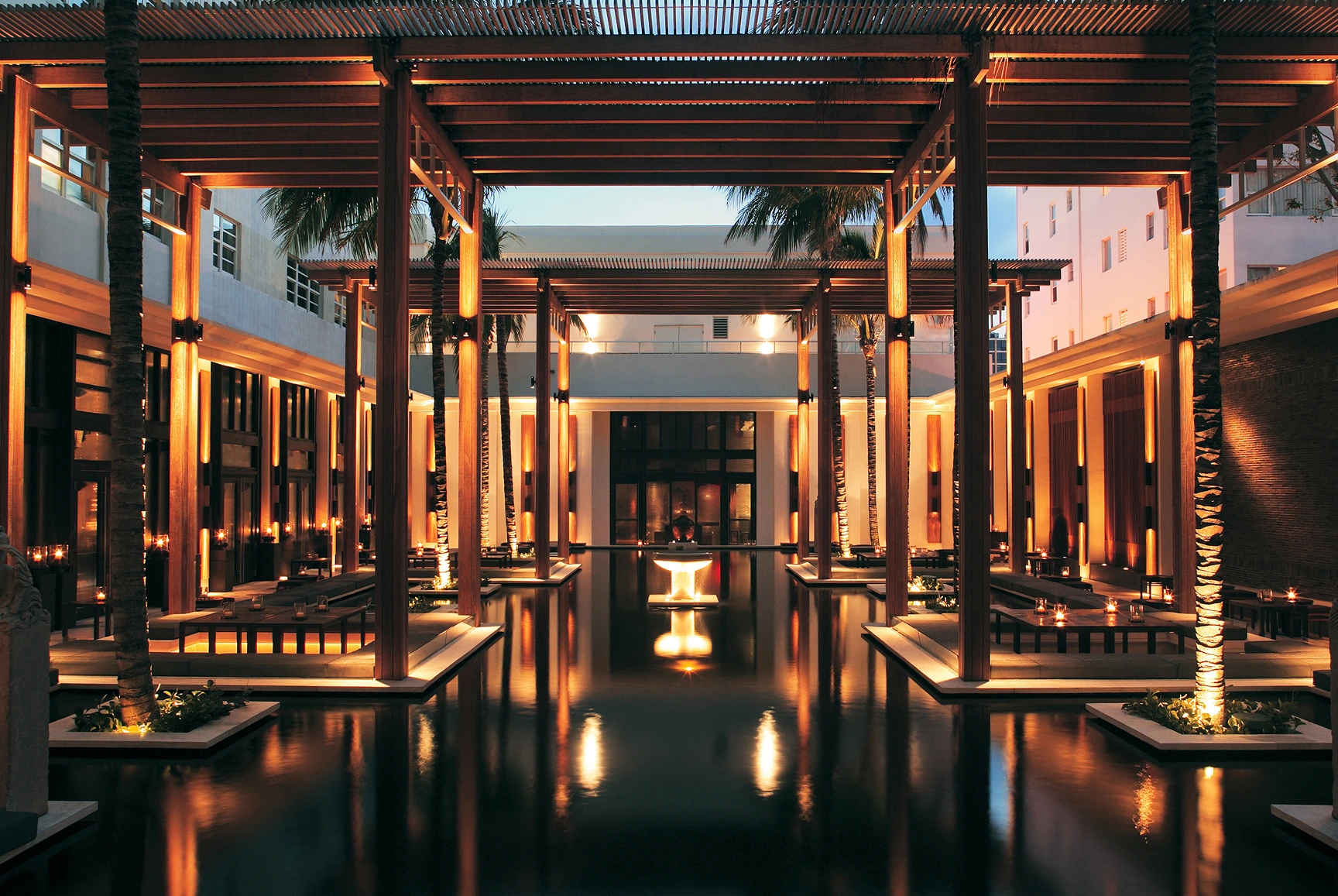
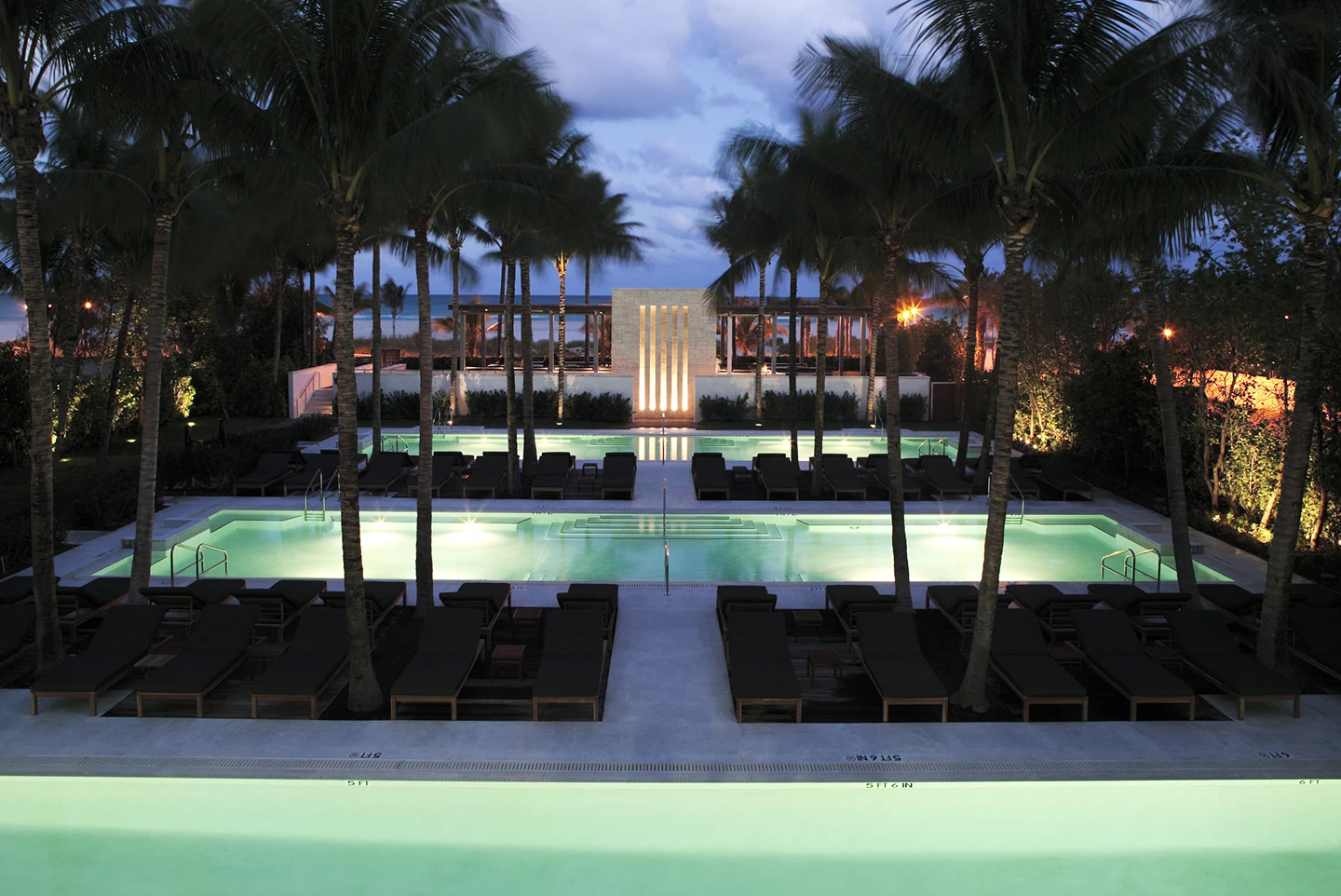
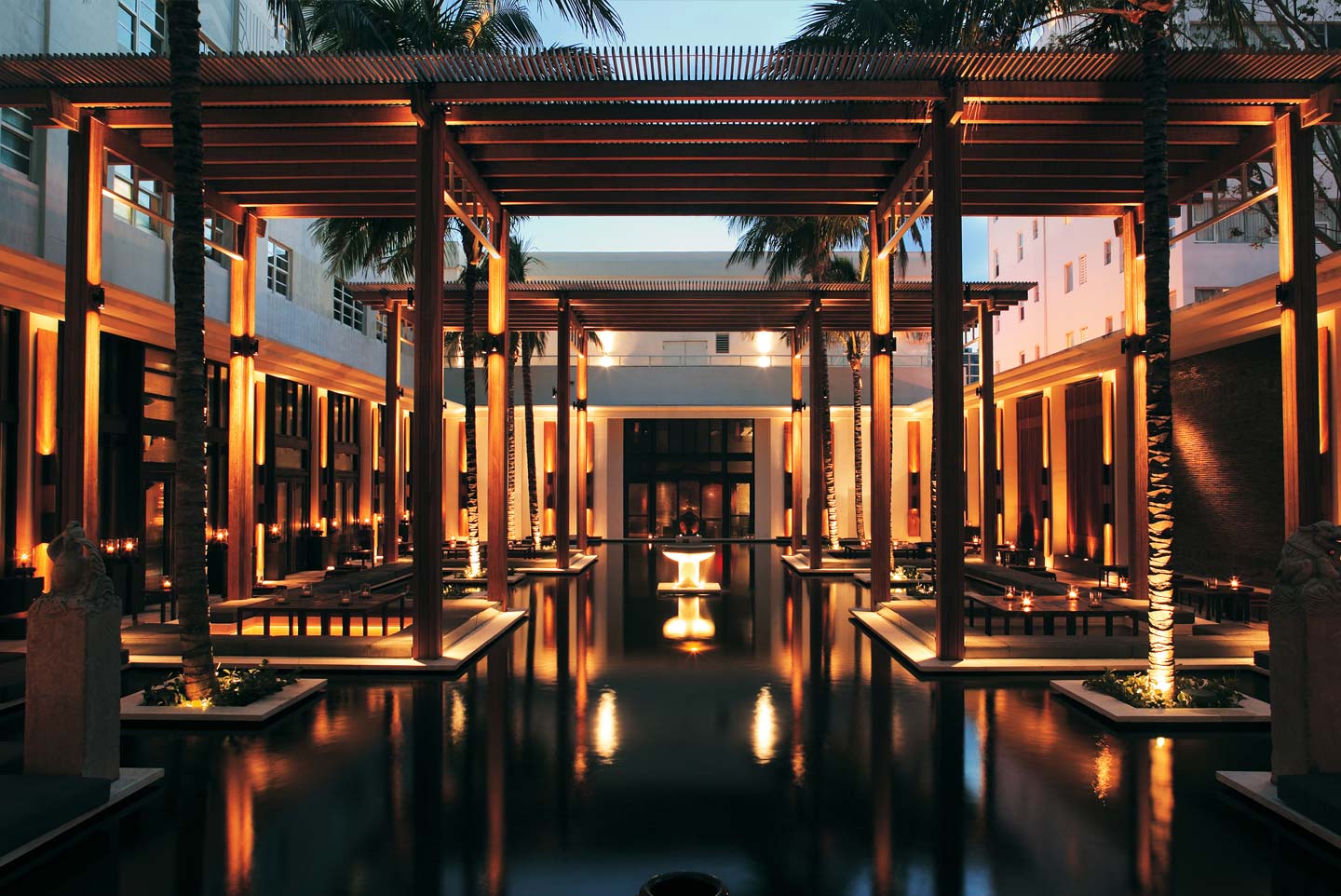
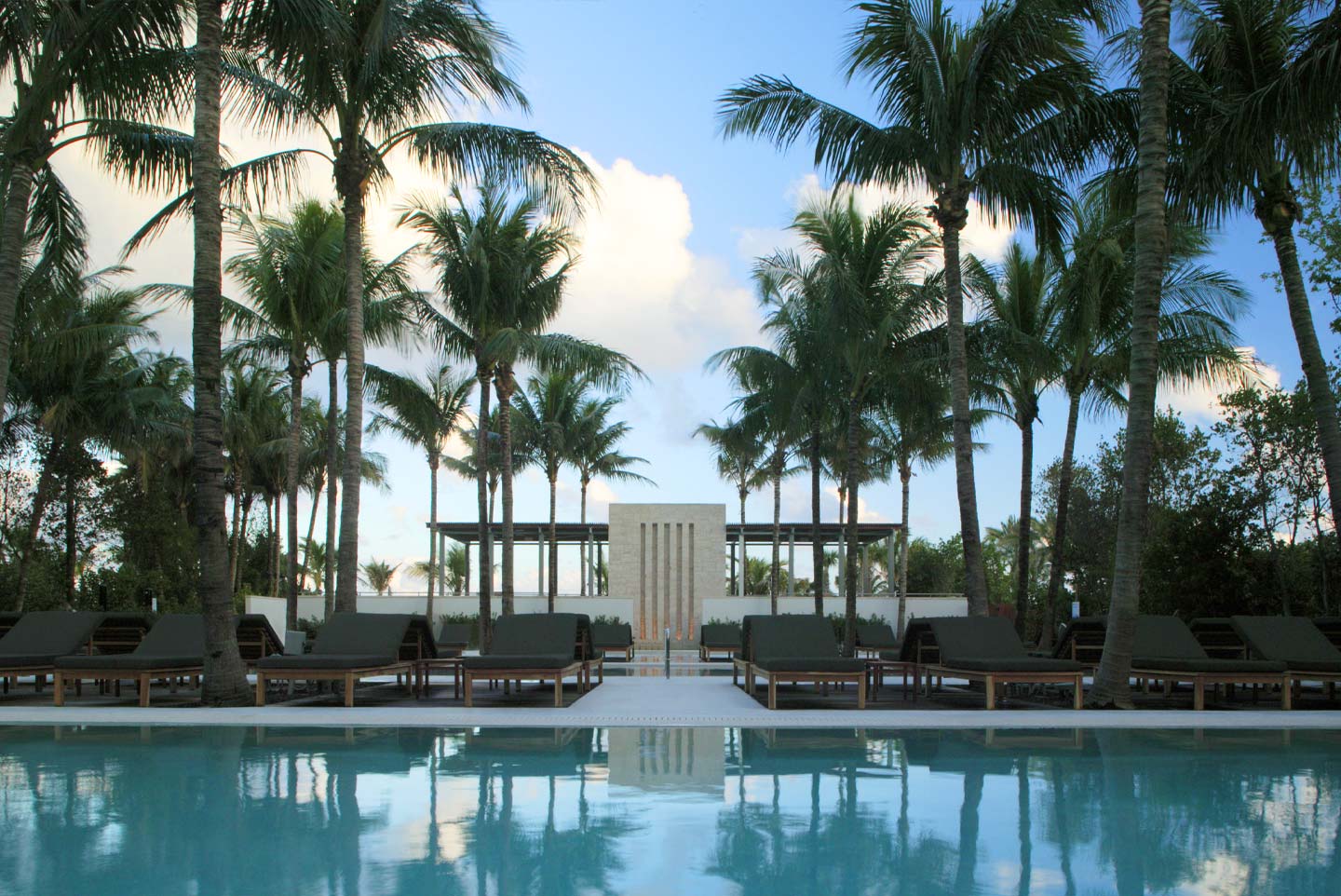
The transformation of the outdoor spaces was central to The Setai’s success. Through lush landscaping, tranquil courtyards, and a sequence of signature pools stretching toward the ocean, the property created an urban sanctuary unique in the world.
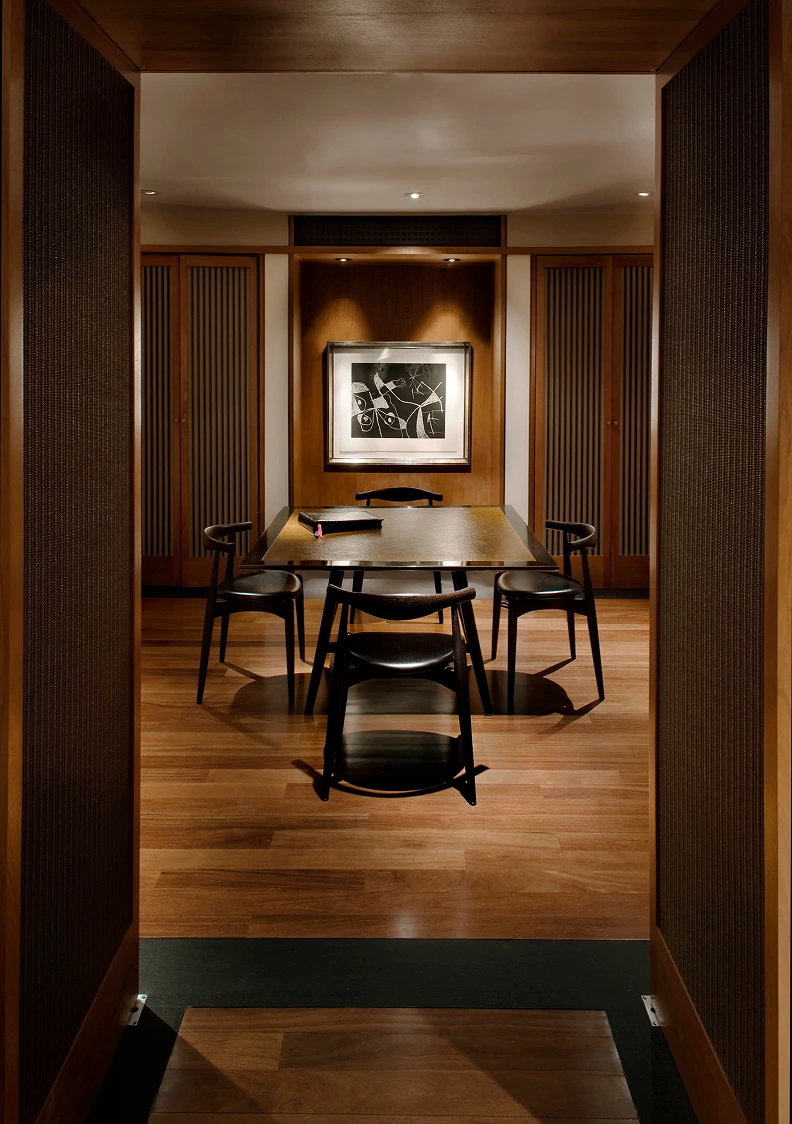
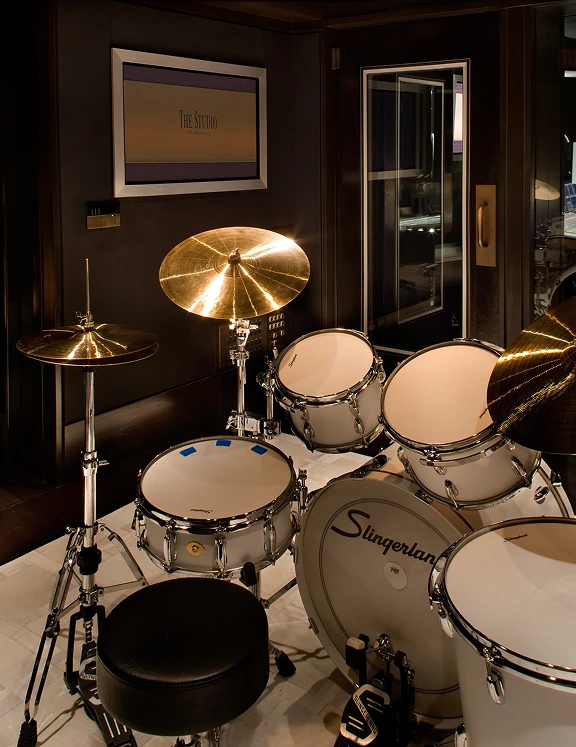
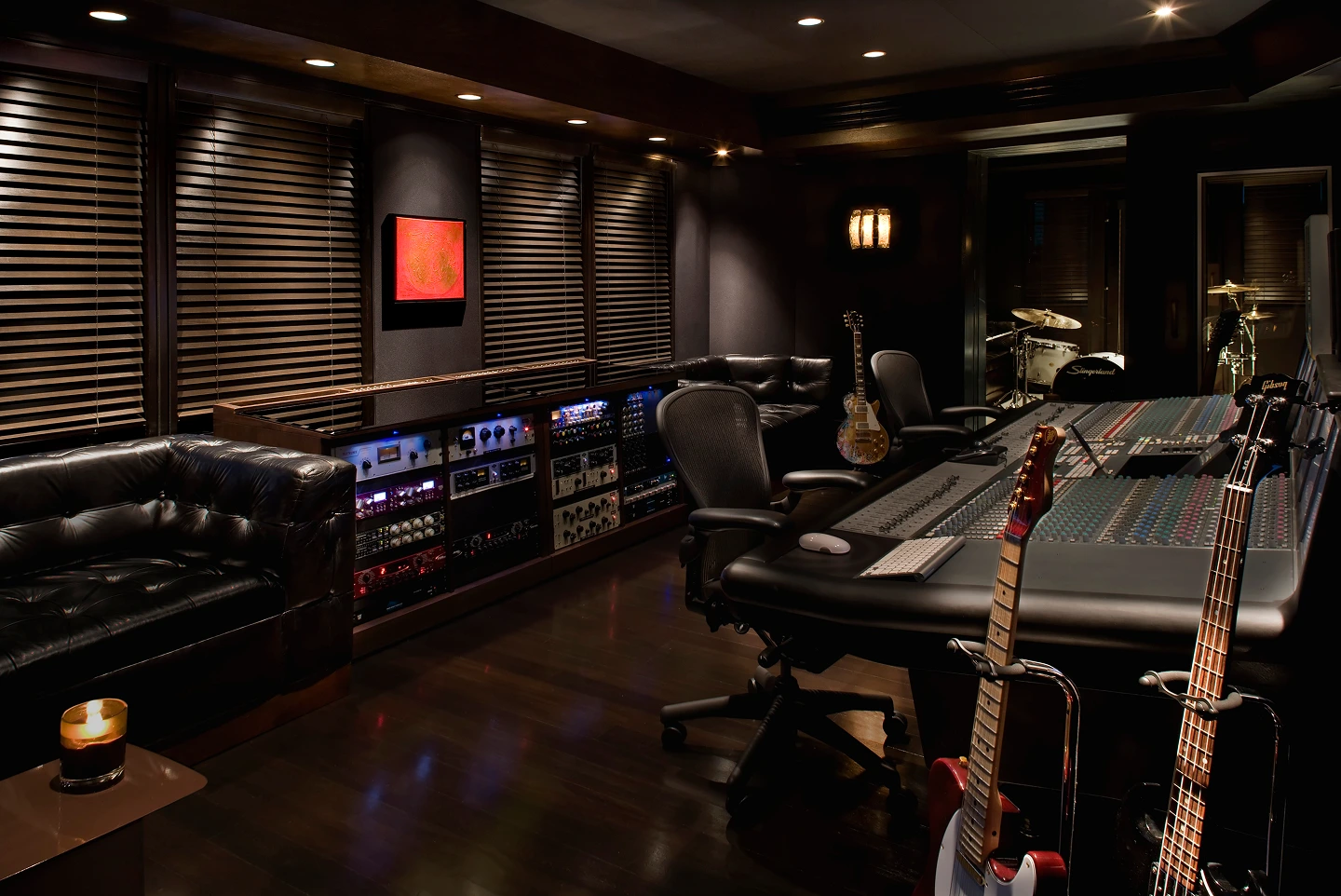
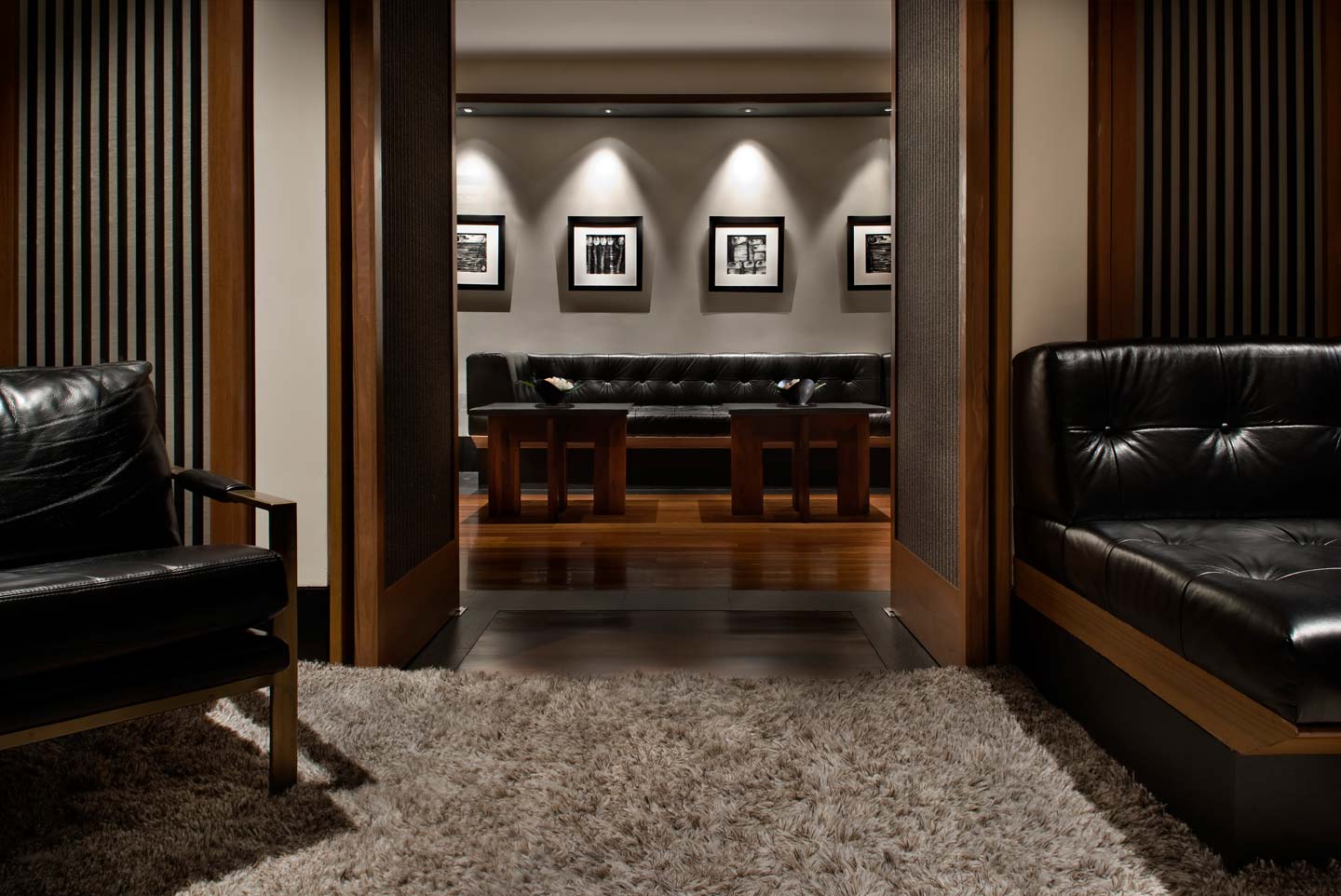
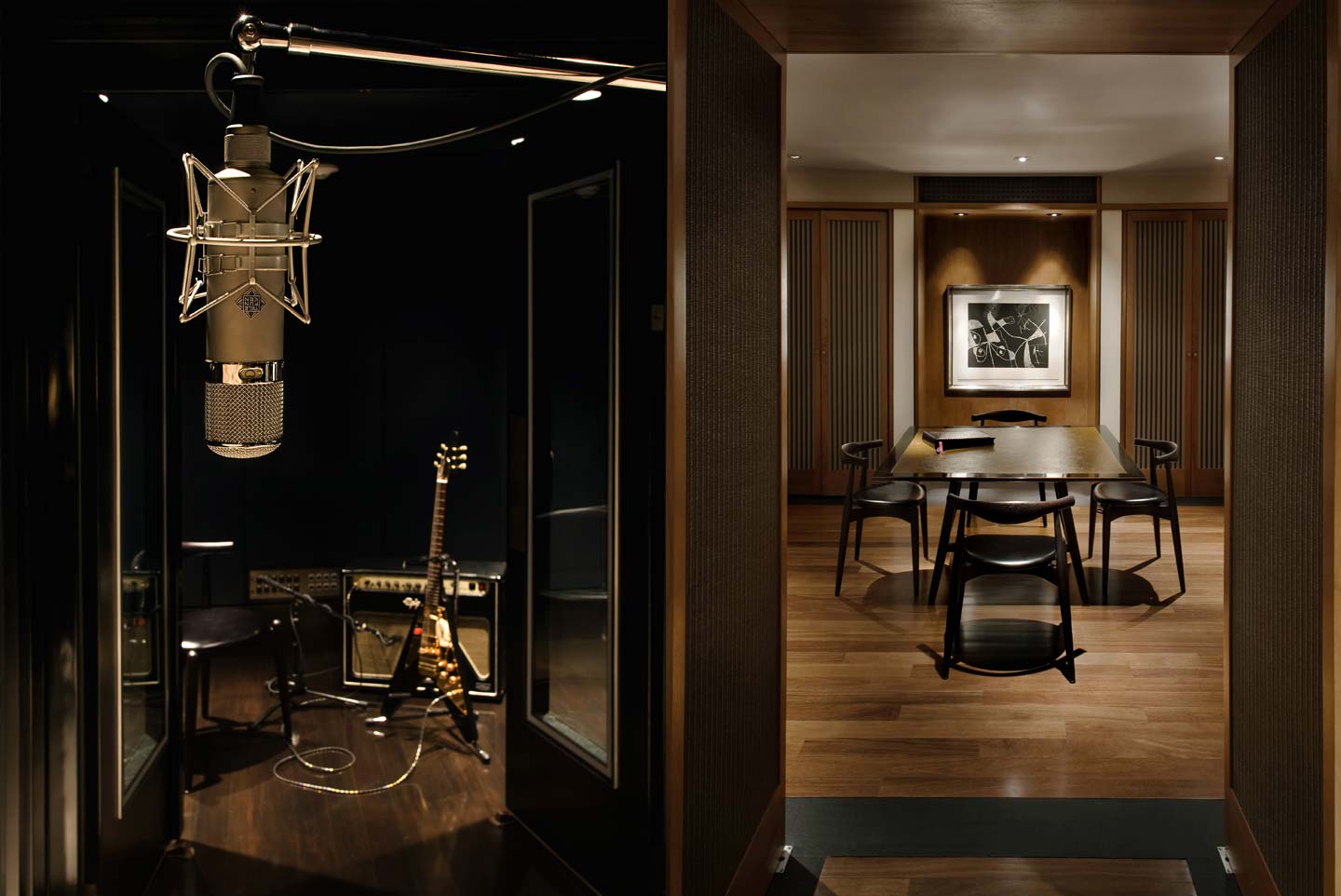
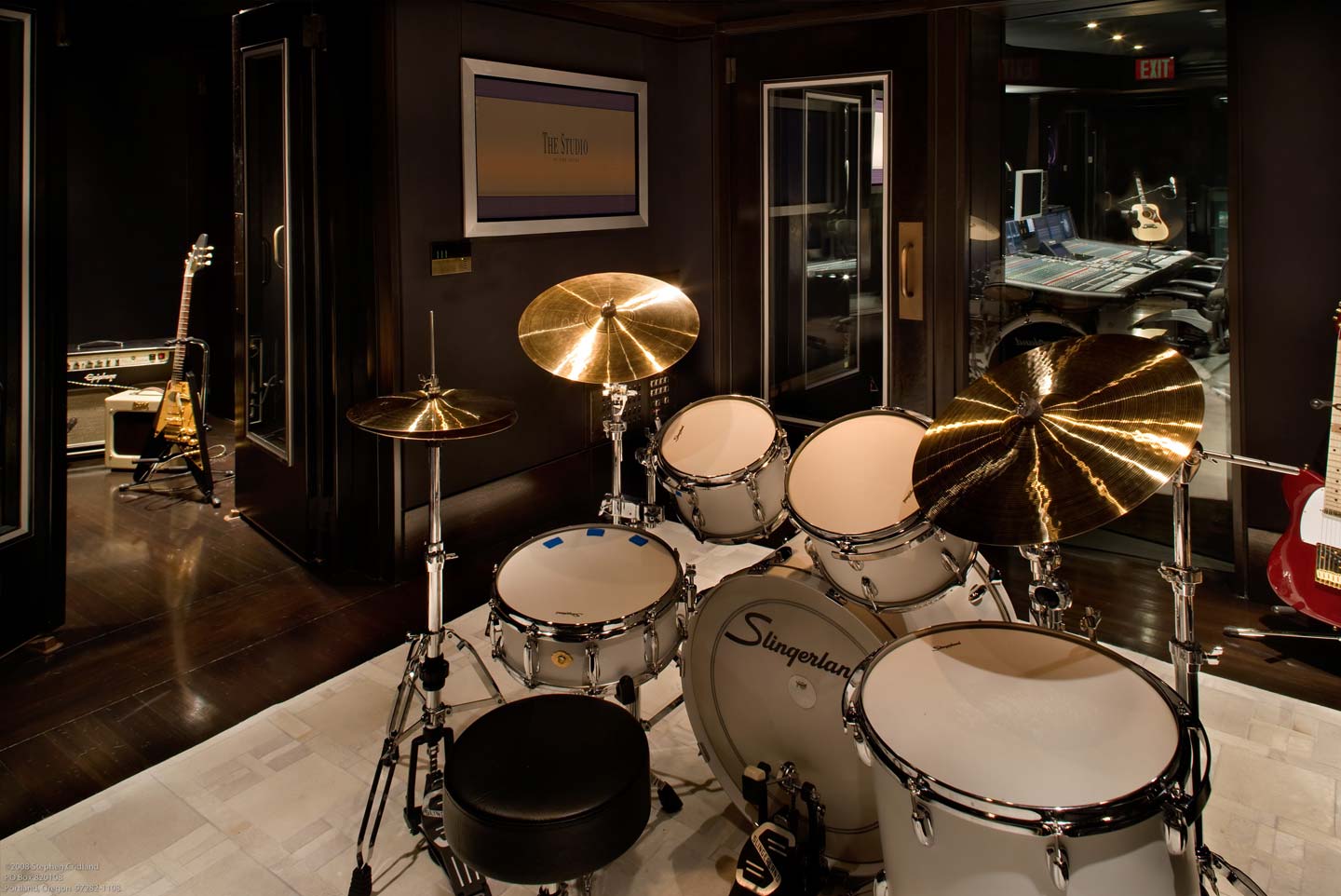
The Setai’s recording studio, developed in partnership with Lenny Kravitz, extended the property’s creative vision beyond hospitality. A world-class production environment, it attracted internationally renowned musicians, producers, and artists to Miami Beach.