Collectively, the team at Mahaman has created eleven iconic hospitality brands worldwide, and continue to create them today.
Our Brands
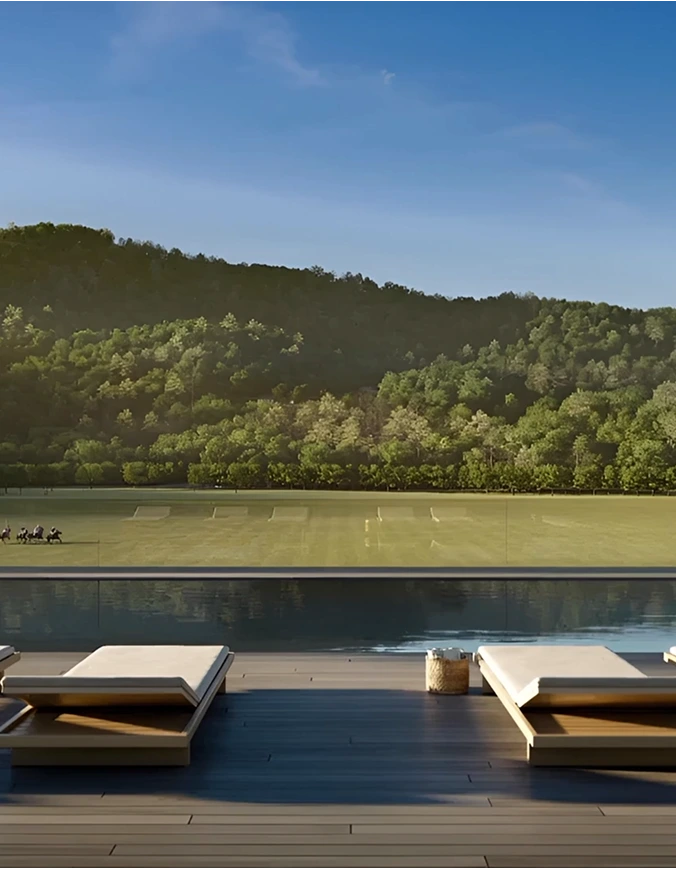
Anasu
The Guenoc Valley Project in Napa County, California was shaped directly by the character of the land, the architectural vision, and the long-term philosophy behind the property. Every detail of the identity was developed to feel inseparable from the experience itself—grounded, refined, and deeply connected to the natural landscape rather than imposed upon it.

MAHA
MAHA began in Beijing as a contemporary hospitality concept shaped around design, culture, and a more connected style of modern luxury living. What started in China is now positioned for global expansion — bringing together hospitality, residential experience, and placemaking in destinations around the world.
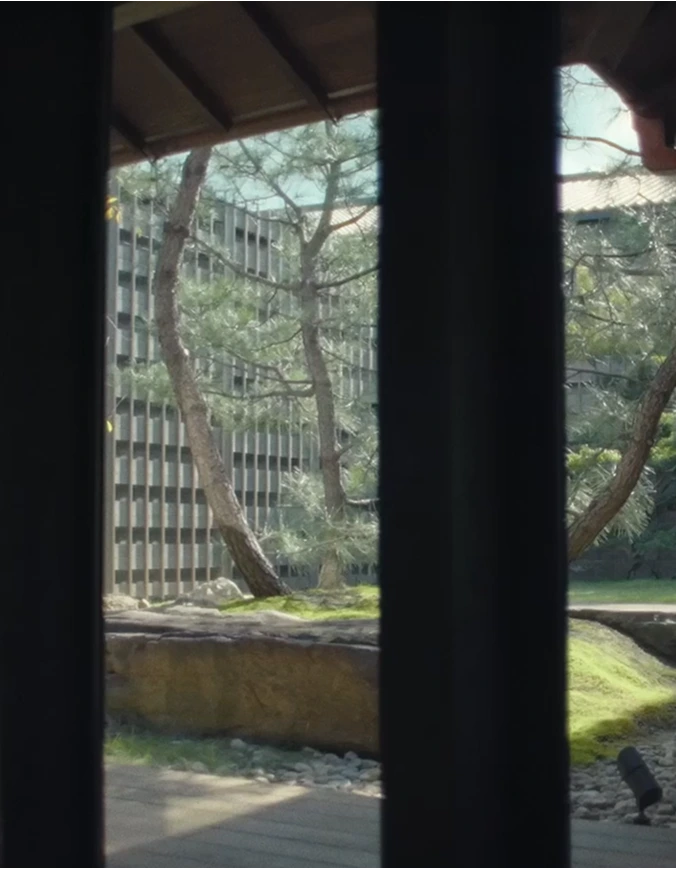
Azumi
Azumi was created as a contemporary interpretation of the traditional Japanese ryokan — intimate, deeply local, and shaped by simplicity, craftsmanship, and human connection. With properties in Japan, the brand reimagines Japanese hospitality for a global audience while remaining grounded in the culture and character of each place it inhabits.
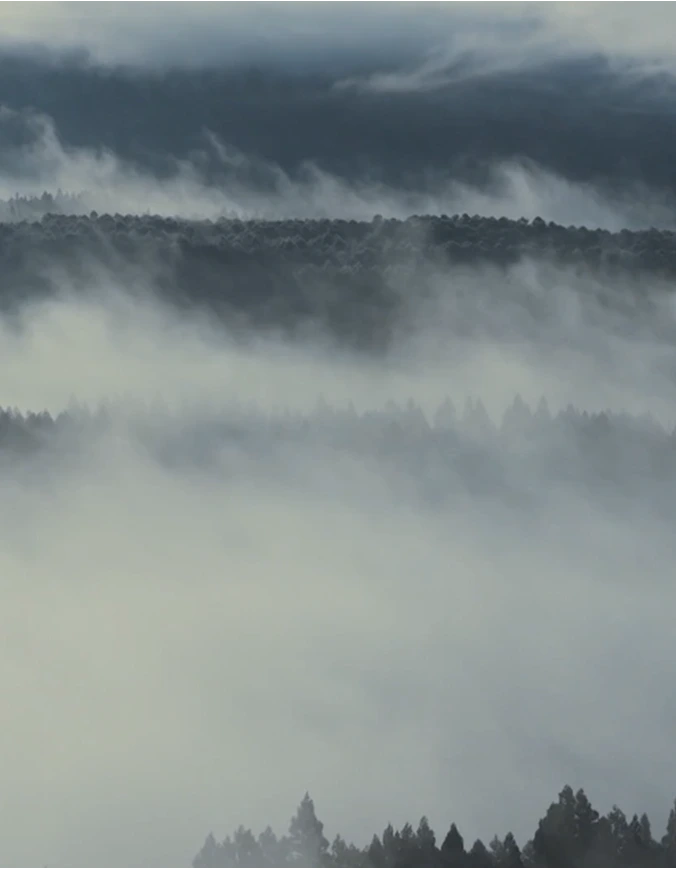
Azuma Farm
Azuma Farm began as a quiet agricultural project rooted in the belief that land, food, and hospitality are deeply connected. Over time, it evolved into a broader vision for regenerative living — bringing together farming, craftsmanship, wellness, and hospitality in a way that reconnects people to place and the natural world.
Previous Brands
Aman began almost by accident — Adrian Zecha originally envisioned the first property as a private retreat for friends on a quiet stretch of Phuket coastline. What emerged became one of the most influential names in hospitality, fundamentally redefining luxury through privacy, restraint, and a profound connection to place.
26 Properties Completed
While Aman remained intimate and highly restrained by design, GHM provided the freedom to develop larger, more varied properties. Projects like The Legian Bali, The Chedi Muscat, The Setai Miami, The Nam Hai Vietnam, and The Chedi Andermatt brought the same sensitivity to place and architecture into a wider commercial and geographic landscape.
20 Properties Completed
When The Setai opened in Miami Beach, there was simply nothing like it. It introduced a level of design, serenity, and understated sophistication that helped transform Miami into a true global luxury destination. Later expanding to New York City, the brand became known for blending residential warmth, Asian influence, and personalized service into urban luxury.
Three Properties Completed
With its flagship property, The Chedi Phuket, and through landmark properties such as The Chedi Muscat and The Chedi Andermatt, the The Chedi brand name has become known for bringing a sense of calm, sophistication, and timelessness to destinations across both Asia and Europe.
10 Properties Completed
Ahn Luh is as a Chinese luxury hospitality brand created in partnership with Adrian Zecha, GHM, and Chinese investors and operators. The vision was to create a distinctly Chinese expression of luxury hospitality — one rooted in local culture, architecture, landscape, and service traditions rather than Western hotel conventions.
Two Properties Completed
Adrian Zecha helped transform Regent Hotels into one of the most influential luxury hospitality brands of its era, helping establish new global standards for design, service, and residential-style living. Landmark properties like The Regent Hong Kong and Regent Beverly Wilshire reshaped expectations of what a luxury hotel could be.